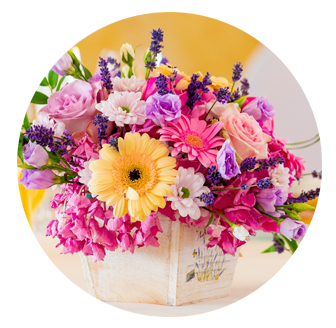
Wedding flowers for Guildhall and Livery Halls Barbican
Posted on 10/10/2026
Wedding flowers for Guildhall and Livery Halls Barbican: a practical guide to elegant, venue-ready floral styling
If you are planning Wedding flowers for Guildhall and Livery Halls Barbican, you are probably juggling a few things at once: the venue's formal character, the ceremony timeline, the guest list, and the very real question of how to make everything look beautiful without overcomplicating the day. That is fair enough. These historic Barbican venues have a style of their own, and the flowers should complement that rather than fight it.
This guide walks you through what works well, what to avoid, and how to choose flowers that feel refined, practical, and truly yours. You will find advice on bouquets, buttonholes, table flowers, seasonal choices, delivery planning, and the small details that make a big difference on the day. If you want a wedding look that feels polished but not stiff, you are in the right place.
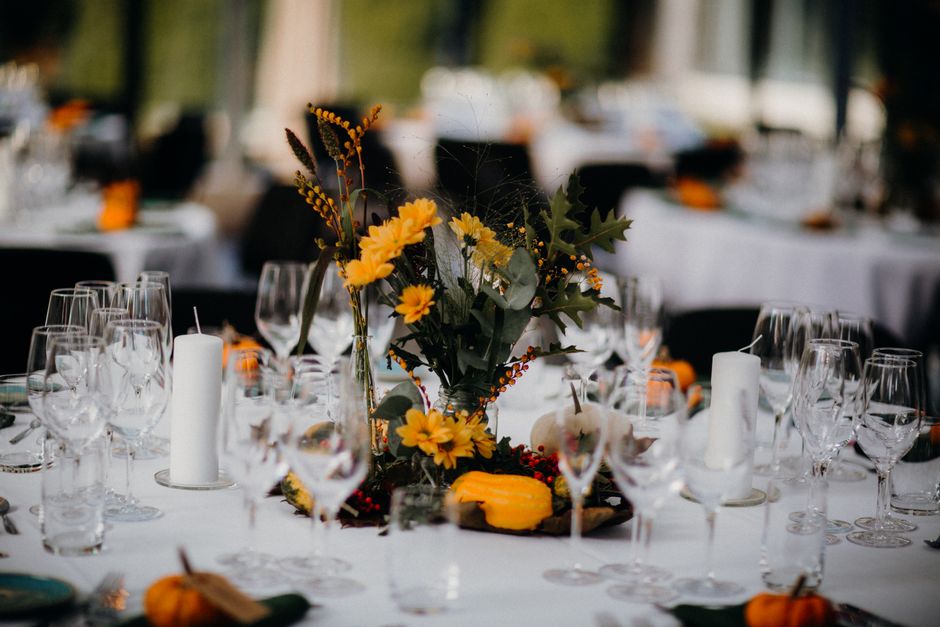
Why Wedding flowers for Guildhall and Livery Halls Barbican Matters
Guildhall and the Livery Halls in the Barbican are not blank-canvas venues. They have presence, history, architectural detail, and a certain formality that changes how flowers read in the room. That is exactly why floral design matters here. The right flowers soften stone, wood panelling, high ceilings, and long banquet tables. The wrong ones can look too small, too busy, or just a bit lost.
In practical terms, wedding flowers do more than decorate. They help guide the atmosphere. A pale, airy bouquet can brighten a grand room. A tighter, more structured arrangement can echo the venue's elegance. A few carefully placed pieces can make a room feel finished, not overdone. And to be fair, that is what most couples want: something memorable, not fussy.
For weddings in central London, there is also a timing reality. Delivery windows can be tight, loading access may be limited, and setup has to be efficient. Floral design for a venue like this is partly about style and partly about logistics. You want flowers that look as if they belong there, and arrive ready to go. No drama. Ideally.
Another reason this matters is photography. Guildhall and Livery Halls spaces tend to photograph beautifully, but flowers need to hold their own in pictures. That means balance, shape, and good colour contrast. Soft ivory against dark panelled rooms. Blush against candlelight. Rich jewel tones in winter. You can probably picture it already.
How Wedding flowers for Guildhall and Livery Halls Barbican Works
The process is usually more straightforward than people expect, provided you start with the venue and the schedule rather than the flowers themselves. A good florist will first look at the ceremony room, reception space, table layout, and any restrictions on installation or delivery. Then they will shape the design around your guest count, colour palette, and level of formality.
Most couples need a mix of bridal flowers, bridal party flowers, and venue flowers. That might include a bridal bouquet, bridesmaid bouquets, buttonholes, ceremony arrangements, and table flowers. If the reception is held in a Livery Hall, the flowers on the dining tables often matter more than people think. Guests spend a lot of time around them, and they sit in every photograph of the room.
For a venue such as this, the style tends to work best when it is coherent rather than overly mixed. A wedding could use white and green tones, soft pastel flowers, or a richer palette with roses, lilies, orchids, and lisianthus. You do not need every arrangement to shout. In fact, quieter designs often look more expensive. That is a funny little trick of wedding floristry.
Where possible, think in layers:
- Personal flowers such as bouquets, corsages, and buttonholes
- Ceremony flowers such as aisle or front-of-room arrangements
- Reception flowers such as table arrangements and statement pieces
- Practical extras such as spare blooms, gift flowers, or a bouquet refresh for later in the day
If you want a starting point, browsing a dedicated wedding flowers collection can help you narrow down style preferences before you speak to a florist. It is much easier to discuss "soft ivory with structure" than to start from absolute zero. Trust me, your future self will thank you.
Key Benefits and Practical Advantages
Good wedding flowers do not just look nice. They solve problems. That sounds a bit blunt, but it is true. In a large, formal venue, flowers can make the space feel more intimate. In a more compact Livery Hall, they can stop the room from feeling heavy. They also help carry your colour story across the whole day, from ceremony to dinner to photographs.
Here are the main advantages of planning wedding flowers carefully for Guildhall and Livery Halls Barbican:
- They suit the architecture. Structured arrangements can echo the venue's classical feel, while looser designs soften it.
- They make photos look cohesive. A consistent palette creates a polished look without needing loads of decoration.
- They help with guest experience. Guests notice the room immediately, even if they cannot say exactly why it feels so welcoming.
- They can be scaled. You can go modest and elegant or more lavish, depending on budget and priorities.
- They work across seasons. Spring, summer, autumn, and winter each give different opportunities, especially in a London setting.
There is also a subtle benefit that people sometimes overlook: flowers help wedding transitions feel smooth. A bouquet in hand, buttonholes pinned, tables dressed, and ceremony flowers in place all create a sense that the day is "arriving" properly. Without them, a venue can feel a bit unfinished, even if everything else is perfect.
If you want a lighter, budget-aware route, some couples choose a few premium focal pieces and keep the rest simple. Others choose a fuller floral story but work with dependable delivery and setup. Both can be right. It depends on your priorities and, honestly, how much visual impact you want.
Who This Is For and When It Makes Sense
This kind of floral planning makes sense for couples who care about detail, presentation, and the atmosphere of the venue. If you are marrying in one of the Barbican's Guildhall or Livery Hall spaces, you likely want flowers that feel sophisticated and site-specific rather than generic wedding-shop filler. Nobody wants the same bouquet that could have turned up anywhere else in London.
It is especially useful if you are:
- getting married in a formal civic or historic setting
- hosting a seated reception with table arrangements
- working to a tighter delivery or setup window
- choosing a specific colour palette
- balancing a premium look with a realistic budget
- trying to keep the day elegant without overdecorating
It also makes sense when several groups need flowers in different formats. For example, a bride may want a bouquet that is soft and flowing, while the groom's party needs buttonholes that are neat and durable, and the tables need low arrangements that do not block conversation. That is a lot to coordinate, but it is manageable with a clear plan.
If you are still exploring styles, a florist's white wedding collection or a more romantic option like the Pure Romance wedding collection can help you compare tones and textures in a way that feels less overwhelming. Sometimes one page of ideas is enough to make everything click.
Step-by-Step Guidance
Here is a simple way to plan wedding flowers for these venues without spiralling into decision fatigue. I have seen couples get lost in flower names and vase shapes, and honestly, it is much easier if you work from the room backwards.
1. Start with the venue spaces
List the exact areas that need flowers: ceremony room, entrance, registrar table, reception tables, cake table, and any photo areas. Not every wedding needs flowers everywhere. Some of the best-looking weddings are edited rather than packed full.
2. Decide your mood before your blooms
Ask yourself: do you want the day to feel classic, romantic, modern, seasonal, or lavish? The answer will help you choose between roses, lilies, orchids, lisianthus, or mixed arrangements. A modern wedding might lean to clean lines and fewer varieties. A softer celebration may use looser, garden-style flowers.
3. Pick a colour palette that suits the room
Historic venues often work beautifully with white, cream, blush, green, plum, and muted rose tones. If you want stronger colour, choose it deliberately. A well-placed splash of deep red or purple can be dramatic without overwhelming the setting.
4. Choose the key floral pieces first
Most couples should lock in the bouquet, bridesmaid bouquets, buttonholes, and top table flowers before adding extras. The bridal bouquet is the most photographed item you will carry, so it should feel right in your hand, not just in theory.
5. Confirm delivery and setup timing
Venues in central London can have strict access arrangements. Build in time for delivery, handover, and final placement. If flowers need to be moved between rooms, mention that early. Flowers should not be arriving at the same time as guests, or you end up with a little ballet backstage that nobody wanted.
6. Review mechanics and vessel choices
Different arrangements suit different tables. Low compotes, compact posies, pedestal pieces, and hand-tied bouquets all create different effects. Ask how each design will sit on the table and whether guests can talk across it comfortably. A beautiful arrangement is no good if it blocks half the table.
7. Confirm substitutions in advance
Seasonal availability changes, especially for premium flowers. A good florist will explain acceptable substitutions in the same colour family or shape. That way, if one bloom is unavailable, the design still works. No one wants a panic swap on the morning of the wedding.
Expert Tips for Better Results
Here is where the small details do the heavy lifting. In our experience, the most successful wedding flower plans are not necessarily the biggest. They are the most coherent. A few thoughtful choices go much further than ten unrelated ones.
Use repetition to create calm. Repeat one or two flowers across the bouquet, buttonholes, and tables. That makes the whole wedding feel designed rather than assembled.
Let the venue breathe. These spaces already have character. You do not need to cover every surface. Sometimes a clean table with one elegant arrangement looks more luxurious than a table crowded with florals.
Think about height carefully. Tall arrangements can be spectacular in a hall with space, but they need to be proportionate. Low arrangements often make conversation easier and suit dining tables well.
Choose flowers that last well. Weddings move slowly in some places and quickly in others. If there is a long gap between delivery and the ceremony, ask for blooms with good stamina. Roses, carnations, chrysanthemums, lisianthus, and many orchids can be reliable depending on design and season.
Book a style that matches your outfit. This is a small point, but it matters. A sleek gown and a very loose, wild bouquet can sometimes clash. Likewise, a highly structured dress may look best with a more controlled bouquet shape.
Keep one backup idea. Not a full emergency plan, just a sensible alternative. If your first choice of flower feels too soft, too formal, or too seasonal, have a second option ready. It takes the pressure off.
One more thing: smell matters. Not always in the obvious way, but a room with lightly scented flowers can feel wonderful, while an overly strong mix can be distracting indoors. You want guests noticing the beauty, not the bouquet taking over the room. Tiny distinction, big effect.
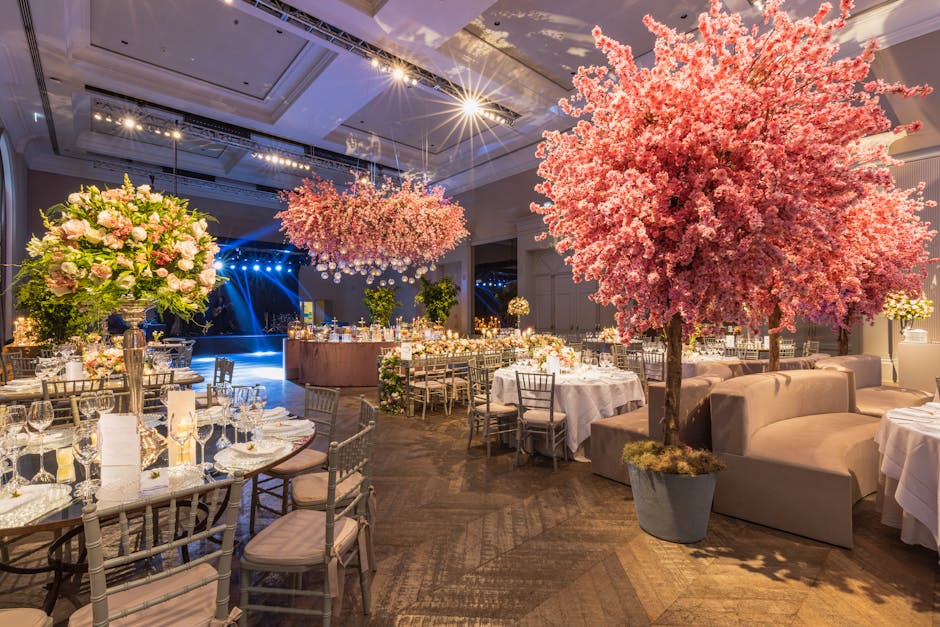
Common Mistakes to Avoid
Even well-planned weddings can go sideways in the floral department. Usually it is not because people make terrible decisions. It is because they make decisions too late, or in isolation, without thinking about the venue and the flow of the day.
- Choosing flowers before the venue layout. This is backwards and often leads to arrangements that are the wrong size.
- Ignoring table height and guest sightlines. Tall flowers are lovely until nobody can see the person opposite them.
- Overloading the palette. Too many colours can make a formal hall feel busy rather than elegant.
- Forgetting the buttonholes and smaller pieces. These details matter more than they seem.
- Leaving delivery timing too late. Central London logistics are not something you want to improvise on the day.
- Not asking about flower care. Some arrangements need more handling than others, especially in warm indoor rooms.
Another common issue is designing for a mood board rather than for the actual room. A bouquet can look stunning online and still be completely wrong for a Guildhall or Livery Hall setting. The room is the real test, not the screenshot. Bit obvious, but easy to forget when planning late at night.
If you are aiming for value as well as beauty, exploring luxury flowers alongside more accessible options such as best sellers can help you identify where to spend and where to simplify.
Tools, Resources and Recommendations
You do not need a giant toolkit to plan good wedding flowers, but you do need a few reliable reference points. A useful florist will usually help with most of this, though it is still smart to bring a simple list to your first conversation.
| Planning need | What to look for | Why it helps |
|---|---|---|
| Colour matching | Palette samples, dress swatches, venue photos | Keeps flowers aligned with the room and outfit choices |
| Budget control | A clear list of priority items | Helps you focus spend on the most visible pieces |
| Delivery planning | Venue access times and contact details | Prevents awkward delays and rushed setup |
| Design reference | Example arrangements you like | Makes style discussions faster and more accurate |
| Flower longevity | Advice on care and room temperature | Helps arrangements stay fresh for longer |
Useful browsing pages on the site can also help you narrow things down. For example, the bridal bouquet collection, bridesmaid bouquets, buttonholes, and table arrangements pages give you a practical sense of how each piece works on its own and as part of a wider plan.
If you like a coordinated full-suite approach, the I Cherish You wedding collection and the The Perfect Match wedding collection are worth comparing. They can help couples who want the look to feel unified from the start, rather than pieced together later.
Law, Compliance, Standards, or Best Practice
For wedding flowers, there usually is not much in the way of formal legal compliance for the couple themselves, but there are still sensible standards and venue expectations to respect. In central London, practical compliance is often about access, timing, and making sure suppliers work safely and neatly within the venue's rules.
Best practice usually includes:
- confirming delivery and loading arrangements with the venue in advance
- making sure floral designs do not obstruct walkways, exits, or key sightlines
- avoiding loose materials that may create trip hazards or unnecessary mess
- clarifying whether candles, water vessels, or fixed structures are allowed
- ensuring arrangements can be installed and removed efficiently
It is also sensible to ask about sustainability and waste reduction. Some couples want reusable vessels, compostable packaging, or a plan for flowers to be repurposed after the ceremony. That is not always possible for every design, but it is worth discussing. The answer may be simpler than you think.
Where food service is taking place in the same room, practical coordination matters too. Low arrangements and well-secured pieces are usually a safer, calmer choice than anything too wide or top-heavy. The aim is not just beauty. It is smooth service and a room that works properly for real people sitting in it.
For policies around the site itself, you can also review the florist's terms and conditions, delivery information, and guarantees. Those pages help set expectations, especially if timing is tight or you are ordering several wedding pieces at once.
Options, Methods, or Comparison Table
Different wedding styles call for different floral approaches. Here is a straightforward comparison to help you choose what fits your day best.
| Approach | Best for | Pros | Watch out for |
|---|---|---|---|
| Classic white and green | Formal, timeless weddings | Elegant, versatile, works in historic rooms | Can look too restrained if you want a warmer feel |
| Soft pastel romance | Spring and summer weddings | Light, flattering in photos, easy to coordinate | May feel too delicate in a very dramatic hall if under-scaled |
| Rich seasonal colour | Autumn and winter weddings | Deep, memorable, strong visual impact | Needs careful balancing so it does not overpower the venue |
| Minimal modern styling | Couples who prefer clean lines | Fresh, calm, often budget-efficient | Can feel sparse without good proportions |
| Full coordinated collection | Couples who want a matched look | Simple to plan, cohesive from bouquet to tables | Less flexible if you want to customise heavily |
For many weddings at Guildhall and Livery Halls Barbican, the best option is a mixed approach: a classic base with one or two personal touches. Maybe the bouquet is soft and romantic, while the table flowers feel slightly more structured. That kind of contrast can look very smart. Not showy, just considered.
Case Study or Real-World Example
Here is a realistic example. A couple planning a late-spring wedding in the Barbican wanted a formal look without making the room feel cold. The venue had strong architectural detail, so they kept the design clean: white and blush roses, lisianthus, and greenery in the bouquets; simple buttonholes for the wedding party; and low table arrangements with enough volume to feel substantial.
They also wanted the flowers to transition from ceremony to dinner without a lot of movement. So the florist designed pieces that could work in both moments, rather than making everything highly specific. That saved time and kept the visual style consistent. The bouquet was slightly fuller than the table pieces, which gave the bride a stronger focal point in photos, while the room remained calm and elegant.
What worked especially well was restraint. They did not try to make every table a statement piece. Instead, they concentrated on the areas guests would notice first: the entrance, the ceremony focal point, and the dining tables. By the time guests sat down, the room looked complete. Not crowded. Complete.
That is often the sweet spot for these venues. Enough florals to feel special, not so many that the room starts to lose its character.
Practical Checklist
Use this checklist when planning your flowers. It keeps the process calm, which is half the battle on a wedding morning.
- Confirm the exact Guildhall or Livery Hall space being used
- Ask about delivery access, timings, and any setup restrictions
- Decide on the overall style: classic, romantic, modern, or seasonal
- Choose a colour palette that suits the venue and outfits
- List the essential floral items: bouquet, bridesmaid bouquets, buttonholes, table flowers
- Decide whether you want statement pieces or a lighter, simpler look
- Check the size and height of table arrangements
- Confirm substitutions for seasonal flower availability
- Ask how flowers will be delivered, stored, and arranged on the day
- Review care instructions if any flowers need to be kept fresh before the ceremony
- Make sure the floral plan fits your budget and guest count
- Keep one contact number ready for the venue and florist on the day
Quick takeaway: the best wedding flowers for these venues are not just beautiful. They are proportionate, practical, and well-timed. If those three things are right, the rest tends to fall into place.
Get a free quote today and see how much you can save.
Conclusion
Planning Wedding flowers for Guildhall and Livery Halls Barbican is really about matching elegance with practicality. These are venues that reward thoughtful design. Flowers should enhance the architecture, support the atmosphere, and make the day feel complete from the first photograph to the last toast.
If you keep the venue layout, colour story, and delivery timing at the centre of your decisions, you will make choices much more confidently. Start with the essentials, choose flowers that suit the room, and do not be afraid of restraint. A calm, well-finished floral plan often looks more luxurious than a crowded one. Funny how that works.
And if you are still deciding, that is fine too. A good floral plan grows out of a few clear ideas, not a panic-buy at midnight. Take the time to shape it properly. The right flowers have a way of making the whole day feel more like itself.
Frequently Asked Questions
What flowers work best for Guildhall and Livery Halls Barbican weddings?
Roses, lisianthus, orchids, lilies, and greenery-led arrangements often work beautifully because they suit formal interiors and photograph well. The best choice depends on your colour palette and the specific room.
Should wedding flowers be more formal or relaxed for these venues?
Usually somewhere in the middle works best. The venue has a formal character, but the flowers do not need to feel stiff. Soft structure, clean colour palettes, and balanced arrangements tend to fit well.
How many floral pieces do I actually need?
At minimum, most couples want a bridal bouquet, bridesmaid bouquets, buttonholes, and table flowers. Some add ceremony arrangements or entrance pieces if they want a fuller look. The key is choosing the items guests will notice most.
Can I keep the flower budget under control without the room looking bare?
Yes. Focus on a few high-impact pieces and keep the rest streamlined. A strong bouquet, neat buttonholes, and well-placed table arrangements can carry the design without needing flowers everywhere.
How far in advance should I book wedding flowers?
Earlier is better, especially for a central London venue and a specific wedding date. Booking in advance gives you more choice over flower varieties, styling, and delivery planning.
Do I need different flowers for the ceremony and reception?
Not necessarily. Some couples use the same arrangements in both spaces, while others want the reception to feel fuller or more relaxed. Reusing or repurposing flowers can be a smart way to get more from the budget.
What colours suit a Barbican wedding venue?
White, cream, blush, green, burgundy, plum, and soft pastels often work well. Stronger colours can also look excellent if they are used deliberately and not all at once.
Are low table arrangements better than tall ones?
For dining tables, low arrangements are often the safer choice because they keep sightlines open and support conversation. Tall pieces can work in larger spaces, but they need careful proportion and placement.
What should I ask the florist before ordering?
Ask about venue access, setup timing, seasonal substitutions, bouquet size, table arrangement height, and how the flowers will hold up through the day. Those practical questions save a lot of stress later.
Can I order wedding flowers online for this venue?
You can browse collections online and narrow down your style, which is very helpful. For a venue-specific wedding, it is still wise to make sure the chosen flowers, timings, and quantities suit the actual room and day plan.
What if my chosen flower is out of season?
A good florist can usually suggest a close alternative in the same colour family or with a similar shape. It is better to plan for seasonal flexibility than to build the whole look around one bloom that may not be available.
Can wedding flowers be both elegant and sustainable?
Yes, often they can. Choosing seasonal flowers, limiting waste, and reusing arrangements where possible are all practical steps. Sustainability does not have to mean compromise. It just means planning a bit more thoughtfully.